Msafiri launches ride-share marketplace in Namibia
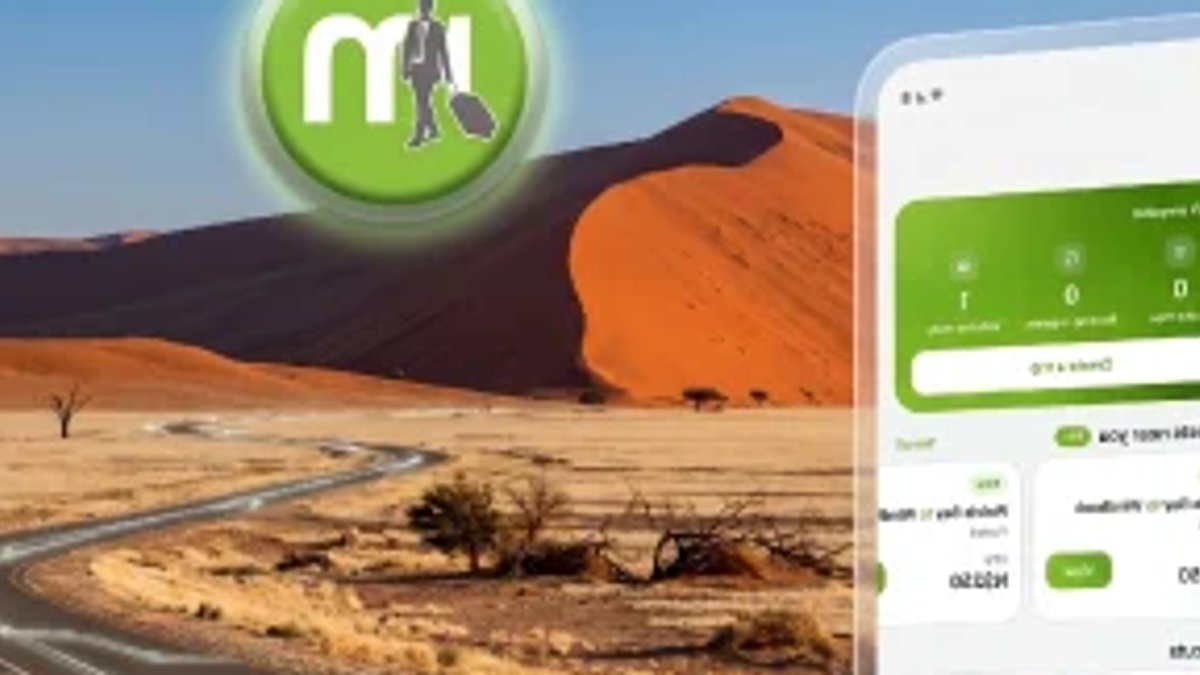
Road travel across Africa often requires dealing with multiple bus operators, confirming each route separately and arranging hand-offs at borders. The fragmented process leaves passengers juggling schedules, seat availability and payment methods without a single point of contact.
Msafiri launches in Namibia
Kenyan-founded startup Msafiri is tackling that problem by creating a marketplace that links riders with independent drivers and transport businesses. The service debuted in Namibia, where founder Orina Nyakaru believes a more connected ecosystem can be built before expanding continent-wide.
Users download the Msafiri Namibia app from Google Play. The platform does not own any vehicles; instead it allows drivers to list routes, set prices and offer spare seats. This model lets the company avoid the capital outlay of a fleet while aggregating diverse providers on a single interface.
A distinctive feature lets a passenger post a desired destination and departure time when no existing trip matches. Drivers already planning that leg can accept the request, filling seats that would otherwise travel empty. The approach suits markets where schedules are fluid and operators rely on ad-hoc coordination.
Msafiri is also adding e-hailing tools after drivers asked for alternatives to existing ride-hailing apps. A dashboard for bus operators is under development, aiming to let larger companies manage schedules and eventually list routes alongside individual drivers.
Growth in Namibia has been driven largely by word-of-mouth. Nyakaru reports a community of roughly 30,000 members and about 1,500 app downloads, most of which came from referrals rather than paid campaigns. The disparity suggests many potential users remain active in community channels rather than the app itself.
While the platform shows promise, its long-term impact will depend on how quickly it can convert the existing network into regular users. If the service can reliably match riders with seats across borders, it could streamline journeys that currently require several separate bookings.
Challenges and expansion plans
The marketplace faces a classic supply-demand imbalance: more passengers than available providers. Riders tend to abandon a platform if they cannot find a seat, making provider onboarding a critical priority.
Nyakaru acknowledges the issue, saying, “We have more users on our platform than providers. So right now what we’re doing is basically focusing on the service providers, trying to see how we can get them on board.”
Recruiting established bus companies has proved easier in Namibia than in Kenya, where repeated attempts to meet company directors have slowed progress. Local decision-makers are reportedly more accessible, allowing the startup to secure early partnerships faster.
Talks are underway with Namibian operator Silas Ndapuka Transport to pilot the dashboard and integrate its routes. If the partnership moves forward, the platform could list a handful of scheduled services alongside the ad-hoc driver offers currently available.
Origins and early hurdles
Development began in 2017, when the founder explored digital solutions for transport bookings.
Regulatory costs in Kenya limited progress, prompting a shift to a market with fewer formal requirements.
A 2025 journey through Namibia revealed a fragmented network of informal operators and a WhatsApp group linking roughly 15,000 travelers.
Partnering with the existing group’s administrators enabled rapid community growth and informed the platform’s design.
Because the service does not own vehicles, it can aggregate independent drivers without incurring fleet expenses.
Future services and regional ambitions
The roadmap includes an e-hailing module that will let drivers manage rides directly within the app.
A dedicated dashboard is being built for larger bus companies to upload schedules and monitor bookings.
Potential collaborations with transport businesses aim to improve route visibility across Southern Africa.
Beyond passenger transport, the platform plans to support school shuttles and corporate car-pooling arrangements.
The ultimate vision resembles a single-point logistics hub, allowing users to access multiple mobility services without switching apps. With its current progress and future plans, Msafiri is poised to make a significant impact on the African transport ecosystem.


