Ghana Minister Vows to Shut Down Media Stations
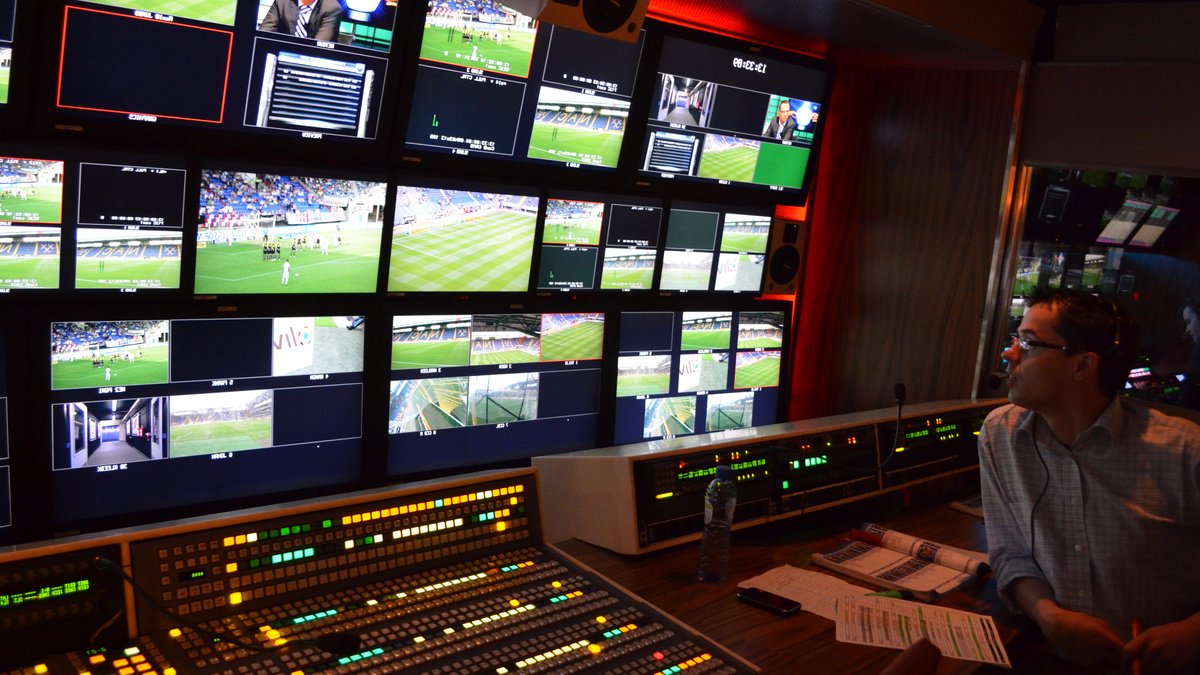
Ghana’s Minister for Communication, Digital Technology and Innovations, Samuel Nartey George, has labeled the country’s high number of broadcast stations as “pure madness” and “media tyranny” rather than genuine media freedom.
In a keynote address delivered on Monday, the minister questioned the rationale behind a country of 35 million people hosting nearly 700 radio stations and 120 television stations.
“Explain to me why a country like Ghana, with 35 million people, should have almost 700 radio stations and 120 TV stations,” he stated, adding, “it is pure madness.”
The minister also criticized the ownership of media stations by political and religious organizations, which he said violates existing regulations. He noted that these groups exploit loopholes in the system to obtain licenses under the guise of other entities.
Minister vows to shut down stations
“We have a law that says religious bodies should not own broadcast houses, but we know that they own them because they use pseudo-entities to apply to the National Communications Authority,” he explained.
Read Also: inDrive probes Lagos driver robbery by passengers
He emphasized his readiness to shut down certain stations, a move that has faced strong criticism from high-ranking officials and opposition parties. The minister recounted an instance when the President received warnings that one of his ministers was overstepping boundaries.
“If you leave me, I will shut down every political and religiously affiliated media house so that we have a clean slate in this country,” he added.
Samuel George proposed an ideal cap of fewer than 100 active radio stations for improved sustainability and quality. He also criticized the urban concentration, chaotic oversaturation, and opaque ownership structures in the media sector.
Ghana faces a test of media freedom vs media tyranny
Under local and international law, such as the Universal Declaration of Human Rights, freedom of expression and the right to seek, receive, and impart information are protected. Forcible shutdowns thus violate these rights.
The discussion also addresses cases where media organizations deliberately spread false information or use their platforms for political warfare. As the Ghanaian minister explained, the rapid and politically motivated licensing over the past two decades has resulted in spectrum clutter, frequency congestion, and financially unsustainable media operations.
Read Also: Zoho adds AI agents to analytics platform
In Nigeria, the 1999 Constitution does not grant the government arbitrary power to shut down media organizations. Section 22 emphasizes the media’s role in holding the government accountable, while Section 39 guarantees freedom of expression and the press.
The 1992 Constitution of Ghana strictly prohibits government control, interference, censorship, or harassment of media organisations, protecting press freedom under Chapter 12. Article 162(1) guarantees the freedom and independence of the mass media, while Article 162(2) states that there shall be no censorship in Ghana, subject to the Constitution and consistent laws.
Also, Article 162(4) dictates that editors and publishers shall not be subject to control or interference by the government, nor shall they be penalised or harassed for their editorial opinions, views, or publication content.
Concerns Over Potential Backlash and Regulatory Solutions
They suggest that regulatory frameworks, which outline the permissible scope of such stations’ operations, might help mitigate potential backlash. Oftentimes, if given the power to shut down media organisations, government authorities always abuse this power by labelling legitimate and verified investigative journalism exposing government corruption as false info or fake news just to protect themselves.


