Kenya Mulls Fuel-Efficiency Standards for Imported Cars
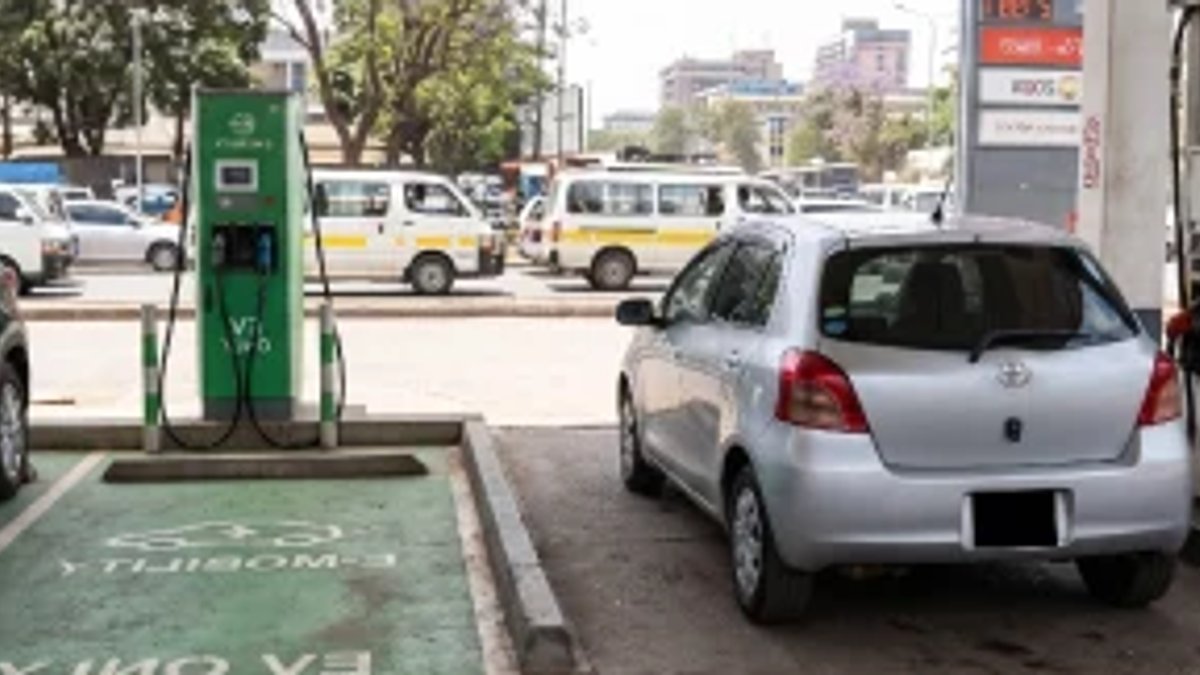
Kenya is considering implementing fuel efficiency rules for imported cars as fuel prices continue to rise. Since October 15, Nairobi drivers have been paying as much as KES 226.96 for a liter of petrol and KES 227.76 for diesel, which is roughly 13% and 22% more than a year ago.
During a forum titled Kenya’s Cars, Fuel Costs & the Future of Mobility, officials emphasized pushing automakers and importers to gradually boost the average fuel economy of the cars they bring into the country.
Speakers from GIZ Kenya, UC Davis, and the Africa E-Mobility Alliance tied the debate to climbing oil costs, noting Brent crude is expected to average $95.34 per barrel in 2026, up from $69.14 in 2025.
The country feels the shock of rising oil prices sharply because it imports all its refined petroleum, and transport burns about 75% of it. This helped drive a KES 372 billion import bill in 2025. Without intervention, light vehicles alone are projected to push fuel import spending from $783 million in 2025 to USD 1.32 billion by 2040.
Fuel Efficiency Regulations
A key feature of the proposed regulation is that it would assess the average fuel efficiency of vehicles an importer or manufacturer brings to market, rather than require every model to meet the same target. This would allow importers to improve their overall fleet average by offering more efficient petrol and diesel cars alongside hybrids and electric vehicles (EVs).
The plan wouldn’t prohibit petrol or diesel cars or demand owners scrap existing vehicles. Instead, it would target new and used imports entering the market—a critical point, since over 80% of Kenya’s imported vehicles originate in Japan and often lag behind fuel-efficient versions sold in their home markets.
Countries like New Zealand have used similar standards to shape what’s available in showrooms. Kenya could adopt comparable measures to push importers toward more economical options. For instance, Chile’s regulations spurred 88% of dealers to adjust their offerings within 18 months, slashing EV prices by 17% and tripling the selection of electric models.
Impact on Local Vehicle Assembly
The policy might also revive local assembly plants, which currently operate below 30% of their 46,000-vehicle annual capacity.
The transition to more fuel-efficient vehicles also raises questions about road maintenance funding as motorists gradually shift away from petrol and diesel. Asked about the future of the Road Maintenance Levy, speakers suggested alternatives such as distance-based charges, tolls, and electricity-related taxes. However, they expect fuel revenue to remain steady in the near term as the nation’s vehicle fleet grows.


