Data of 32 million Kenyans leaked online
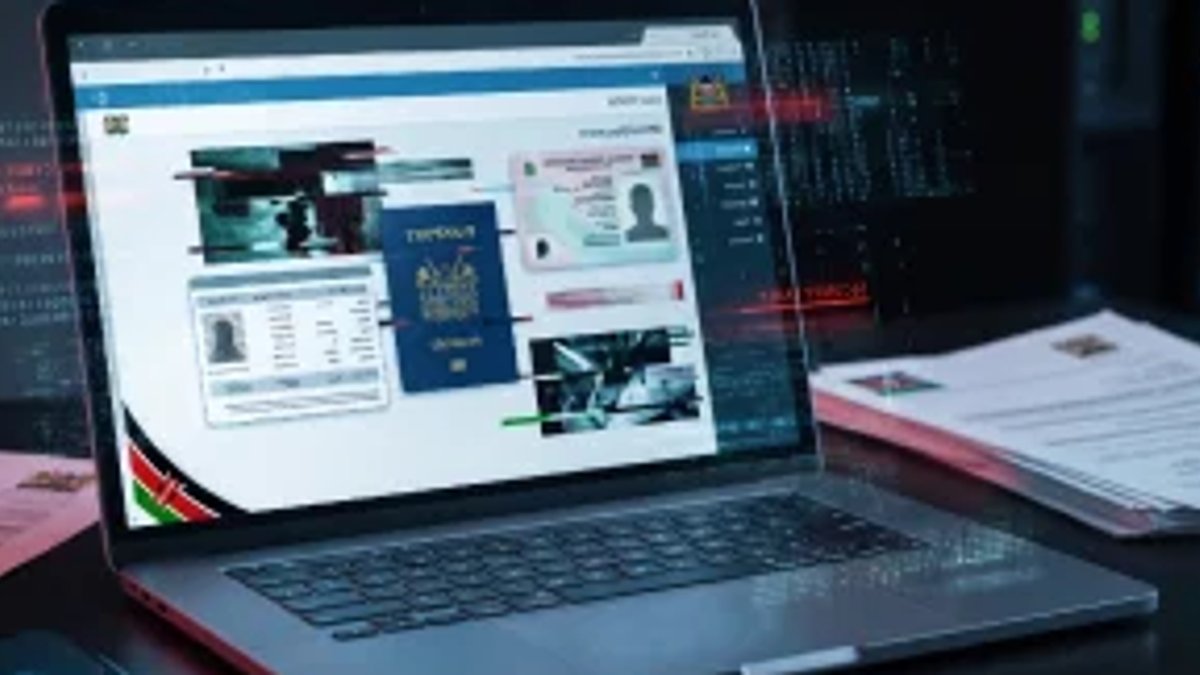
Hackers reportedly published data linked to 32 million Kenyans on the dark web, signaling a significant escalation in the suspected breach of Kenya’s eCitizen platform, according to emerging reports.
The files reportedly contain records associated with 32,128,394 people, raising concerns about identity theft, impersonation, and financial fraud.
Authorities have confirmed reports of unauthorized entry and are looking into the incident, though they have not fully verified the breach or the attackers’ claim of stealing 740GB of data.
The hacking group, ByteToBreach, claims to have stolen approximately 740GB of information, comprising 600GB of Know Your Customer (KYC) documents, 100GB of government database records, and 40GB of source code.
The alleged KYC material could include KRA PINs, passport copies, Social Health Authority numbers, and government work IDs, along with claims that eCitizen’s single sign-on system was compromised.
Ordinary citizens are the most exposed, as a caller who quotes a real name, ID number, and birth date can easily pass as someone from KRA, SHA, a bank, or a mobile operator.
Fraudsters might claim an eCitizen account is suspended or tax records need verification, then direct victims to a fake site or request an OTP, password, or mobile money PIN.
Telecom companies face a related threat in SIM-swap attempts, where criminals pose as subscribers to take over a number and intercept verification codes.
To stay safe, change any passwords linked to eCitizen, starting with email and financial accounts, and never share an OTP, password, or PIN with anyone claiming to be a government official.
Check suspicious messages through official contact channels you find yourself, and report any unexplained loss of service, password reset alerts, or strange transactions to your provider immediately.
The government still has to say which systems were accessed, what was actually exposed, and whether login credentials or security keys were compromised.
Even if the breach is now contained, leaked identity records can be used by criminals for years, so preventing the situation from escalating into widespread fraud is just as important as determining the attack’s origin.
It is essential for the government to provide more information about the breach and the measures they are taking to prevent further fraud.


