Chinese Scientists Develop Underwater Solar Cells Using Perovskite
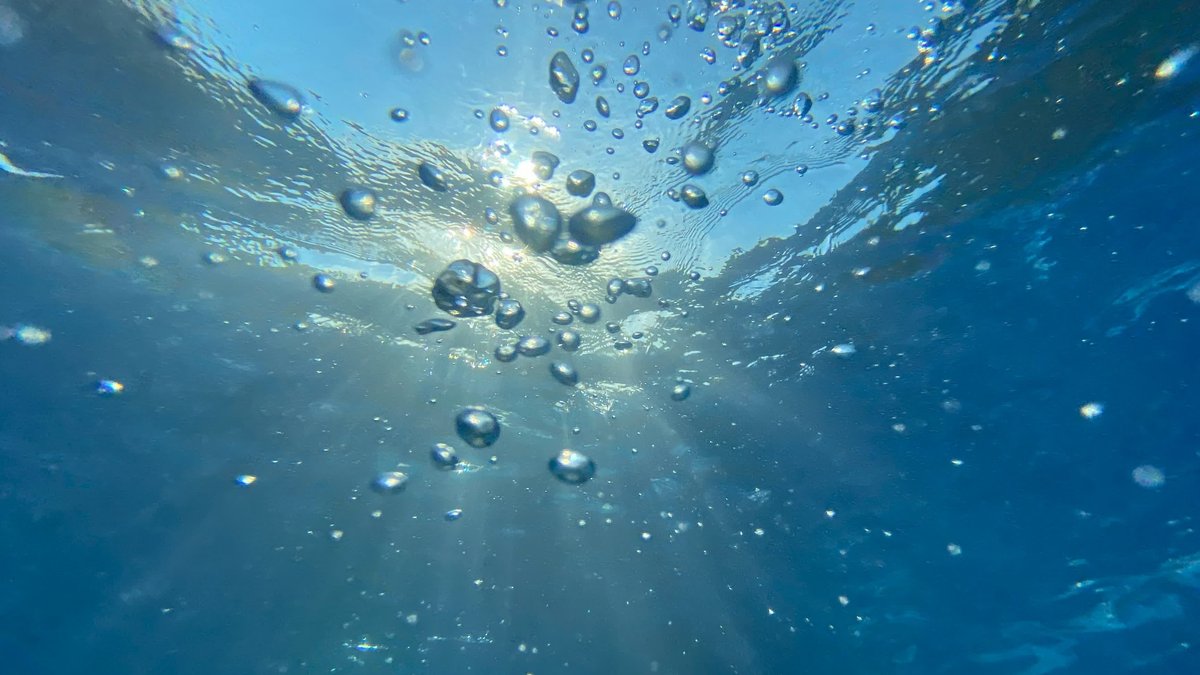
A team of Chinese researchers has developed a new type of perovskite solar cell that can generate power underwater. The cells can operate a few meters below sea level and retain high efficiency for years. This breakthrough is particularly significant given the growing interest in renewable energy sources for marine environments.
Perovskite is a flexible compound, first discovered in 1839 in Russia, beneath the Ural Mountains. It has since been utilized in various applications, including ultrasound machines, memory chips, and solar cells. However, its susceptibility to moisture damage has historically limited its use in underwater settings.
The researchers “tweaked” the chemical mixture of the perovskite cells, creating a material that can absorb dim wavelengths and withstand seawater degradation. This involved adjusting the composition to enhance stability and light absorption in aquatic conditions. The cells are also covered by a water-repelling layer to prevent moisture-related damage, further ensuring their longevity underwater.
Read Also: Apple May Allow Siri Alternatives Soon
In lab tests, the new material converted around 35% of dim light into electricity at a simulated ocean depth of 10 meters. This efficiency is particularly notable when compared to the 20% efficiency of silicon-based solar panels in surface sunlight. The panels retained most of their efficiency for over five years, demonstrating their durability and reliability in challenging environments.
The team tested the perovskite cells in the South China Sea at depths of 2, 6, and 10 meters. Power generation was inconsistent at 2 meters due to fluctuating light conditions but improved at greater depths. At 10 meters, the panel generated less than a quarter of the electricity produced at 2 meters, though it still maintained a stable output. The cells were mounted on a small submarine device equipped with coin-cell batteries to assess their real-world performance.
Underwater solar power has been a challenge due to the harsh environment and dim light. However, these new perovskite cells could potentially power autonomous marine systems and submerged Internet of Things infrastructure. The ability to generate electricity underwater opens up new possibilities for marine energy and IoT applications in the ocean, enabling long-term operation of devices without frequent maintenance.


