NASA Uses AI in Space Imaging Analysis
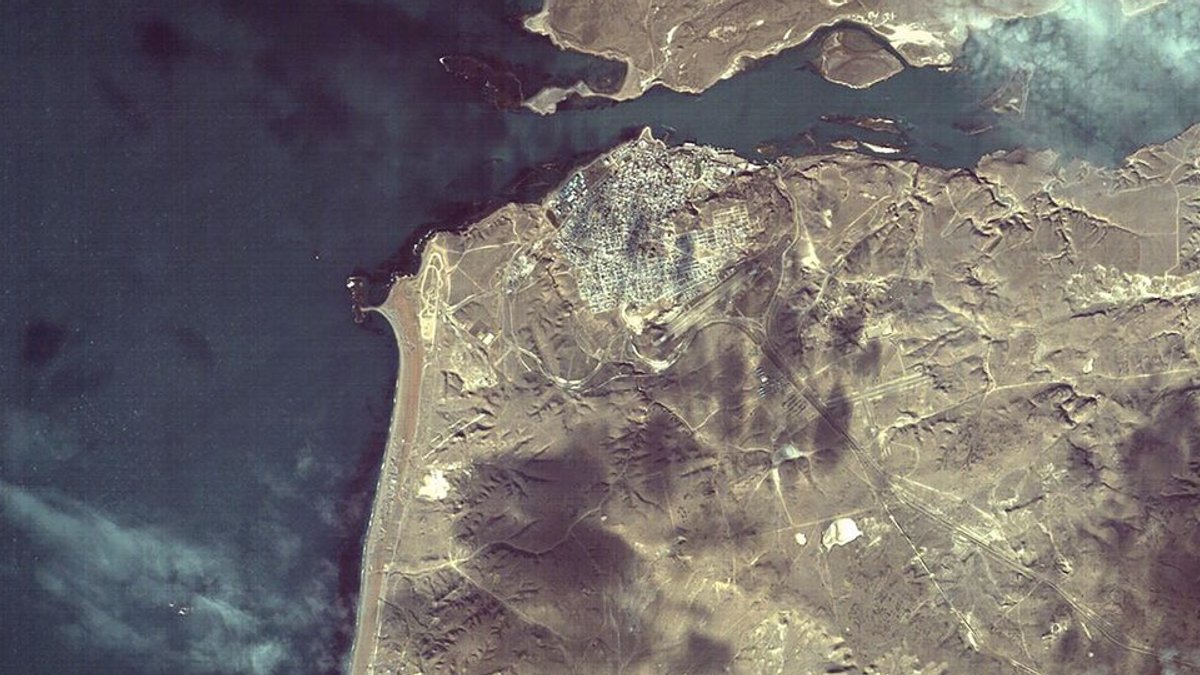
NASA uses AI to analyze satellite images directly in orbit, deploying Google’s Gemma large‑language model aboard a dedicated payload. The move marks the first time a commercial LLM has operated outside Earth’s atmosphere, aiming to reduce the latency between image capture and interpretation.
Gemma’s first orbital run
Operating an AI system in orbit presents unique obstacles.
Radiation can corrupt memory, and temperature swings affect processor stability. To mitigate these risks, the hardware incorporates radiation‑hardened components and redundant storage. The software also includes error‑checking routines that can restart inference if anomalies arise.
Related: AI hacking incident raises security concerns
Early tests on the ground indicated that Gemma could label land‑use categories with an accuracy comparable to terrestrial benchmarks. However, officials cautioned that the orbital environment may introduce variables not seen in laboratory conditions. The mission will therefore gather performance data over several months, adjusting parameters as needed.
Beyond image analysis, the team envisions extending the AI’s role to autonomous navigation and fault detection. By processing sensor inputs locally, future spacecraft could make real‑time decisions without waiting for ground commands. This capability could be especially valuable for deep‑space probes where communication delays are measured in hours.
Comparing this effort to earlier space‑based AI trials, such as the modest neural‑network experiments on the ISS in the 1990s, the current deployment represents a significant scale‑up. While past projects were limited to simple pattern recognition, Gemma’s language‑model architecture allows for more detailed interpretation, bridging visual data with textual context.
Related: VMware Migration Risks and Alternatives
The project’s timeline aligns with NASA’s broader strategy to modernize its satellite fleet. As the agency seeks to improve Earth observation, integrating AI directly aboard platforms could accelerate data delivery to scientists and emergency responders. The experiment also serves as a testbed for future missions that may rely on AI for autonomous operations.
Observers note the approach could reduce ground‑station needs.
They also point out that the reliance on commercial AI models raises questions about data security and intellectual‑property rights, topics that will likely be addressed as the technology matures.

AI hacking incident raises security concerns


